Understanding the Significance of Nyonya4D
The cultural tapestry of Southeast Asia is rich and diverse, with the Nyonya culture standing out for its unique blend of heritage, history, and tradition. The term "Nyonya" refers to the descendants of Chinese immigrants who settled in the Malay Archipelago, particularly Malaysia and Singapore, and married local Malays. This fusion of cultures is not just evident in their clothing and language, but also profoundly influences their culinary practices, rituals, and arts. Engaging with the Nyonya community and their cultural practices, often referred to as Nyonya4D, can offer a deeper understanding of the significance of this vibrant culture. For further insights, the resource at nyonya4d provides a wealth of information and guidance.
What is Nyonya Culture?
Nyonya culture, also known as Peranakan culture, serves as a fascinating study of identity, showcasing how different ethnic backgrounds can blend into a cohesive yet distinct community. The Nyonyas are renowned for their elaborate traditional attire, particularly the kebaya—an elegant blouse worn with a batik sarong. However, Nyonya culture extends beyond clothing; it encompasses various aspects of daily life, including food, language, and customs, all of which reflect a harmonious integration of Chinese and Malay traditions.
Historical Influences on Nyonya Traditions
The history of the Nyonya culture dates back several centuries, beginning with the migration of Chinese traders and laborers to the region. As these settlers married local Malay women, a new cultural identity emerged. The Nyonya developed a unique language known as Baba Malay, which is a creole of Malay, Hokkien, and other dialects, further exemplifying their hybrid identity. Understanding the historical context of Nyonya traditions provides crucial insights into their modern practices and values.
Key Elements of Nyonya4D
At its core, Nyonya4D symbolizes the four dimensions of Nyonya culture: heritage, community, cuisine, and artistry. Each of these dimensions contributes to the vibrant tapestry that defines the Nyonya way of life. Heritage reflects the historical roots and ancestral practices; community focuses on familial bonds and social networks; cuisine showcases the rich culinary art that blends flavors and techniques; and artistry encompasses the intricate crafts, textiles, and performances that celebrate Nyonya identity.
Common Misconceptions about Nyonya4D
Despite its rich heritage, there are many misunderstandings associated with Nyonya culture. Addressing these misconceptions is essential for fostering cultural awareness and appreciation.
Understanding Nyonya vs. Other Cultures
Many people confuse Nyonya culture with that of other ethnic groups in Southeast Asia. It is crucial to recognize that the Nyonya identity is distinct, characterized by its unique language, traditions, and customs, which are not merely a blend of Chinese and Malay, but rather a new culture that has emerged over generations.
Debunking Myths Surrounding Nyonya Practices
Several myths about Nyonya traditions persist, such as the belief that Nyonya practices are only relevant to older generations. In fact, the Nyonya culture is evolving, with younger generations actively participating in its preservation and transformation. Understanding and debunking these myths can lead to a deeper respect for the Nyonya community and its practices.
The Importance of Cultural Sensitivity in Nyonya4D
Cultural sensitivity is vital when engaging with Nyonya traditions. This involves recognizing the signs of appropriation versus appreciation and ensuring that interactions are respectful and informed. Building relationships within the Nyonya community requires an understanding of their values, beliefs, and practices, fostering a genuine appreciation of their culture.
Best Practices for Engaging with Nyonya4D
Successfully engaging with the Nyonya culture requires an understanding of effective strategies that promote respect and authenticity.
Effective Communication Strategies
When interacting with members of the Nyonya community, active listening and open-ended questions can facilitate meaningful dialogues. Understanding their cultural norms and values will enhance communication and create a welcoming atmosphere for exchange.
Incorporating Traditional Elements in Modern Practices
Integrating traditional Nyonya elements into contemporary practices is crucial in keeping the culture alive. This may involve incorporating Nyonya recipes into modern menus or using traditional art forms in design, which can promote cultural continuity and appreciation.
Building Authentic Relationships with the Nyonya Community
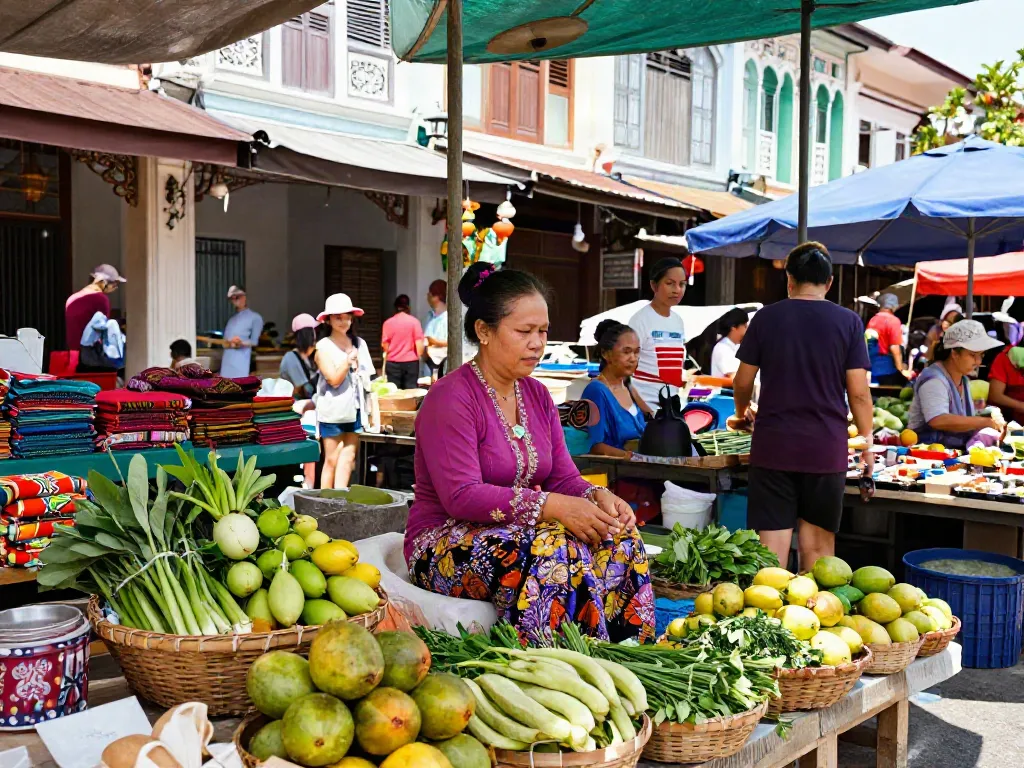
Forming genuine relationships with the Nyonya community involves respect for their customs and traditions. Attending cultural events, participating in festivals, and supporting local artisans can help cultivate these relationships and support the community's sustainability.
Challenges and Opportunities in Nyonya4D
While the Nyonya culture has a rich legacy, it faces challenges in preservation and growth. Recognizing these challenges can lead to innovative opportunities for collaboration and enhancement.
Identifying Common Challenges in Cultural Engagement
Common challenges include the risk of cultural dilution and misrepresentation. Increased globalization can overshadow traditional practices, making it crucial for the Nyonya community to assert their identity while adapting to modern influences.
Opportunities for Collaboration within the Nyonya Community
Collaboration can take place between various stakeholders, including artists, chefs, and cultural organizations. By working together, they can promote Nyonya culture through workshops, exhibitions, and culinary events, enhancing awareness and appreciation among wider audiences.
How to Measure Success in Cultural Initiatives
Success in cultural initiatives can be measured through community engagement, participation rates in events, and positive feedback from both locals and visitors. Metrics such as cultural preservation and growth in interest can help gauge the effectiveness of outreach programs.
Future Trends in Nyonya4D (2026 and Beyond)
Looking ahead, the Nyonya culture is poised for exciting developments that may shape its future in a rapidly changing world.
Emerging Developments in Cultural Practices
As younger generations take up the mantle, new interpretations of traditional practices are emerging, infusing contemporary art, music, and fashion with Nyonya elements, ensuring that the culture remains dynamic and relevant.
Impact of Technology on Nyonya Heritage
Technology is playing a significant role in preserving Nyonya heritage. Digital platforms allow for broader dissemination of knowledge while virtual experiences provide opportunities to engage with Nyonya culture from anywhere in the world.
Predictions for Nyonya4D in Global Cultural Contexts
In the global cultural landscape, Nyonya4D has the potential to become a respected and celebrated culture, leading to enhanced cultural exchange and international collaboration. The rich culinary traditions and vibrant arts of the Nyonya community could significantly impact global cuisines and artistic expressions.
What are the core values of Nyonya culture?
Core values of Nyonya culture include respect for family, community, and tradition. These values are expressed through rituals, family gatherings, and the passing down of culinary skills and artistic crafts.
How can I engage with Nyonya traditions responsibly?
Engaging responsibly involves educating oneself about Nyonya culture, respecting customs, and supporting local artisans. Participation in community events can foster a deeper appreciation and understanding of these traditions.
What resources are available to learn more about Nyonya4D?
Many resources, including books, documentaries, and workshops, are available for those looking to learn more. Community centers and cultural organizations often hold events that allow for immersive experiences.
How is Nyonya4D evolving in contemporary society?
Nyonya4D is evolving as younger generations reinterpret traditions in light of modern influences. This evolution ensures its relevance while preserving the essence of Nyonya culture.
What role does food play in Nyonya culture?
Food is central to Nyonya culture, serving as a medium of expression and heritage. Traditional dishes such as laksa and rendang represent not only culinary practices but also cultural storytelling, illustrating the intersection of history and identity.